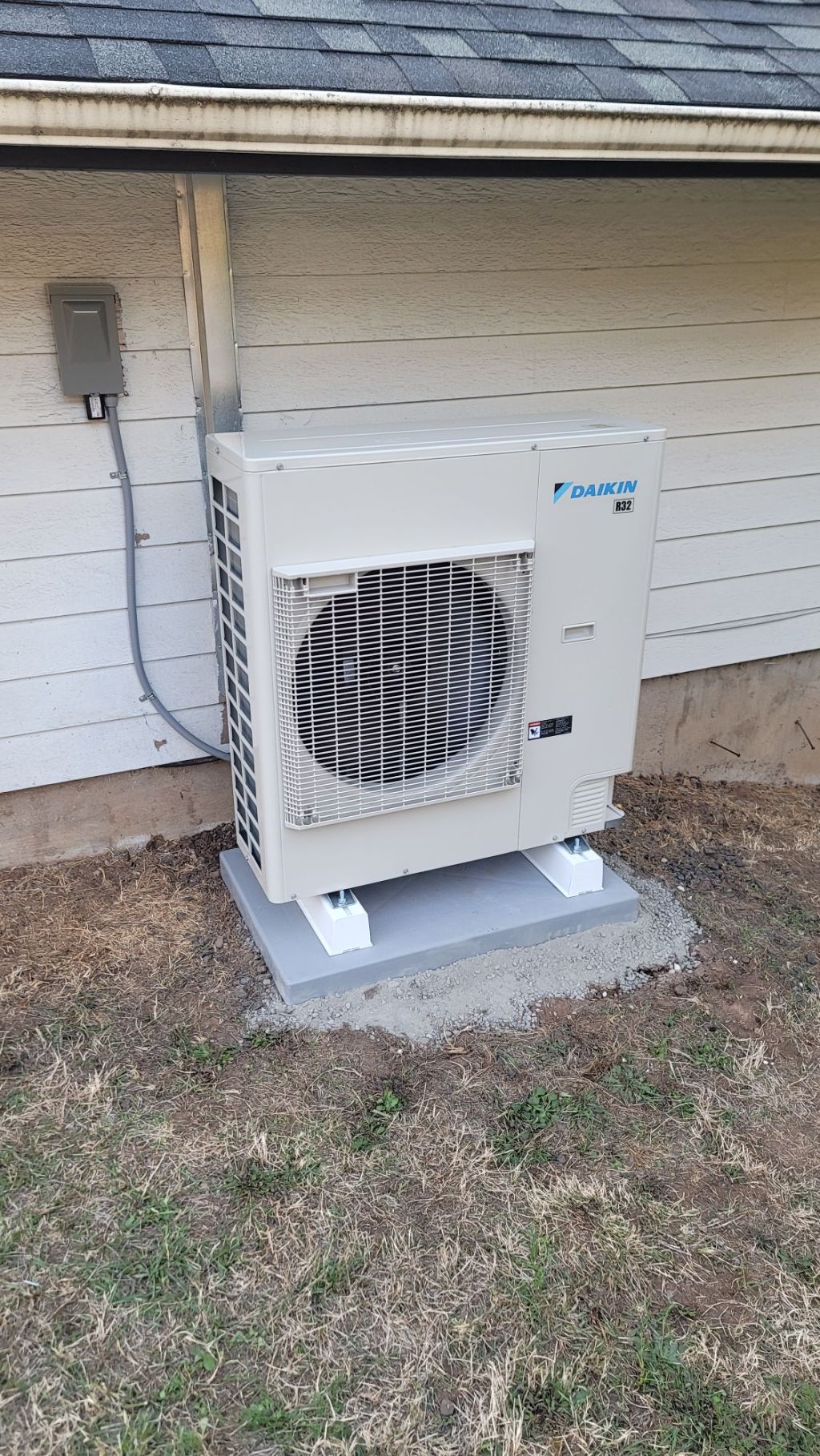
Yes, we have, and I’m pretty excited about it. Our home will henceforth be cooled in the summer and warmed in the winter by a single energy-efficient device, powered by electricity and silent as a light summer breeze. I hope that more people will soon embrace the pump, both for lower bills and the benefit they offer the environment.
The system we’ve been maintaining these last few years has worked well enough, but it’s also had some familiar drawbacks. Our electricity bills have spiked during the summer months, a natural result of a harder-working AC. On the winter side of the year, our furnace has heated the house by burning natural gas—an effective but expensive method, which has inevitably led to large gas bills in the winter.
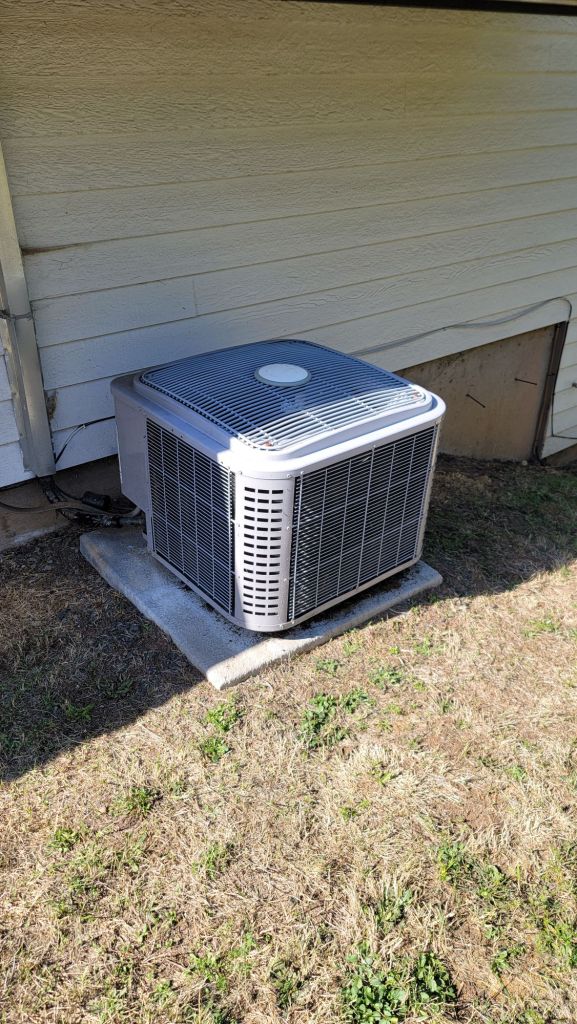
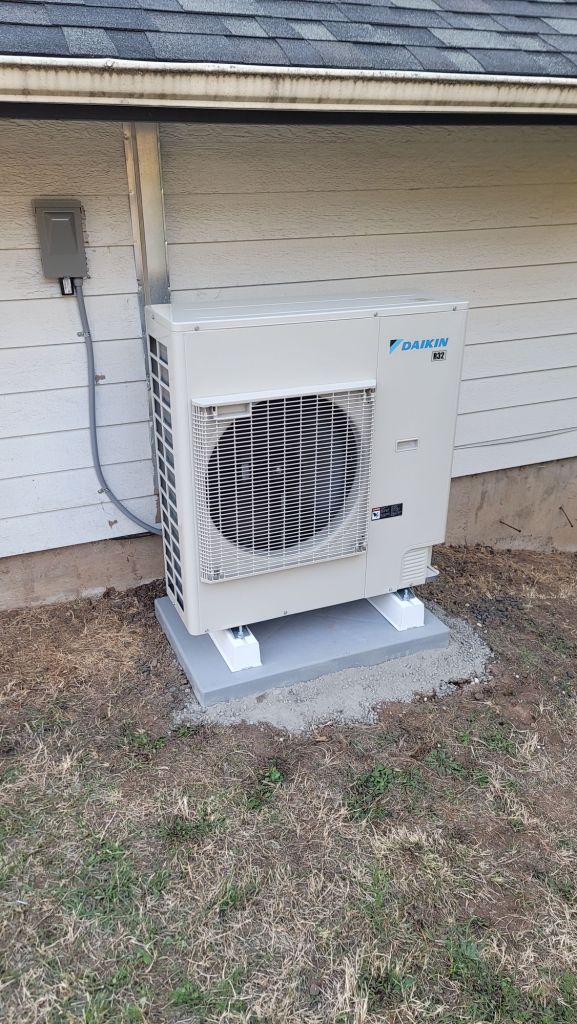
Heat pumps are not a new concept, the first ones having been built in the 1850s. Essentially, they use mechanical energy to reverse the ordinary flow of heat: instead of moving from warm areas to cool areas, a heat pump can cause a warmer area to draw additional heat away from a cool area. A conventional air conditioner also works on the same principle and is essentially a one-way heat pump. But given the rising cost of utilities these days, is one-way really good enough?
In warm weather, a heat pump takes the heat inside of a house and moves it outside, where the air becomes even warmer as a result. Conversely, in cold weather the pump draws heat out of the cold outside air, causing it to become colder still. Because the volume of air inside the house is much smaller than the volume of air outside, whichever direction the heat flows the actual change in temperature within the house is always much greater.
It’s an elegant and efficient system, especially so when used to warm the house because the heat pump does not actually generate heat. The heat already exists in the air, even when it is quite cold outside. The model we installed is designed to effectively keep our house warm even when the ambient temperature is as low as 15 degrees Fahrenheit (about -10 degrees Celsius). Below that temperature threshold a backup electrical furnace can kick in and generate additional heat, but since the low temperatures here in the Willamette valley are rarely less than the mid 20s, we don’t foresee having to rely on the backup much.
Obviously, other places can experience much colder winters than we do, but more powerful heat pump models than ours exist, and they can operate effectively at lower temperatures than ours can. Some of these pumps transfer heat energy in and out of the ground rather than the ambient air, allowing for an even wider operational range. The technology has already improved by leaps and bounds in the last few decades, and as time goes by heat bumps are going to be more effective in even the coldest climates.
Aside from cutting our utility bills down, our main motivation for switching to a heat pump was environmental consciousness. Burning natural gas pollutes the air both inside and outside the house, and from now on we’ll be burning substantially less of it each winter. As for cooling, this pump is more energy efficient than our old air conditioner, so it will use less electricity in the summer, and only slightly more in the winter.
(For similar environmental reasons, I bought a used electric car a couple of years ago, so that I no longer need to buy and burn gasoline to move about town. We are also planning to replace our current natural gas-powered oven and stove with one that uses induction technology, though we haven’t pulled the trigger on that plan yet.)
The only trouble from an environmental perspective with switching from carbon-burning systems (e.g. gasoline, natural gas) to electrification is that much of the electricity we rely on is itself generated by burning carbon; in other words, some of the carbon that I am no longer burning myself is simply being burned on my behalf by somebody else. However, this is mitigated by the heat pump’s far greater efficiency in heating. It also helps that our local electricity provider already derives most of its supply from hydropower and other non-carbon sources. As a family simply trying to live in a home, many of the relevant environmental issues are beyond our direct control; meaningfully reducing all of our carbon footprints requires coordinated and purposeful public policy decisions to that effect, not just savvy consumer choices.
That being said, consumer choices matter, especially at the scale of a whole population. I would encourage anybody who owns a building to plan a switch to an efficient heat pump at the nearest convenience. I’ve been interested in heat pumps for a while, but it was only recently that we found room in our budget to handle the large up-front costs of replacing our AC and furnace. Most people will probably want to wait until their AC and/or furnace really need replacing, but when the opportunity presents itself, they should go for it. Each additional heat pump in the world means not only a more comfortable and economical home, but a significant decrease in the amount of atmospheric carbon dioxide produced by that home each year. That is certainly worthwhile in my book.
One household cannot fight alone against a warming planet. However, I’m grateful to be able to participate in the kind of change that will make a real difference. Progress in saving the global climate means using less energy overall, and decarbonizing the energy we do use. There are a lot of ways to do this, but heating and cooling is one of the most energy-intensive things a typical home does.

 Ink Tea Stone Leaf
Leave a comment